Prices in the wrong currency.(01)
Shoppers leave when they have to guess the final price or pay conversion fees at checkout.
How we fix it
One brand, several markets: the right language, currency, payments and shipping for each country, without rebuilding your store from scratch.
The problem
Shoppers leave when they have to guess the final price or pay conversion fees at checkout.
How we fix itMachine-translated pages read like a foreign store, and trust drops with every odd sentence.
How we fix itPix in Brazil, Webpay in Chile, Bizum in Spain: without the local favorite, carts are abandoned.
How we fix itWrong rates, surprise duties and slow delivery estimates turn a sale into a support ticket.
How we fix itWithout international SEO, your country sites fight each other and the wrong one ranks.
How we fix itA Spanish customer landing on the US store sees dollars and English, and rarely finds the way back.
How we fix it What we deliver
Live example
TechCommerce runs in 4 countries, 3 languages and 4 currencies. When you arrived, this site checked your browser language and suggested your country's store. Try it as a visitor from somewhere else.
The same setup we build for brands expanding abroad.
Platforms
We pick the setup that fits your catalog, your team and how fast you want to expand.
Several countries from a single store, with local currencies, languages and domains. The fastest way to start selling abroad.
Separate storefronts per country running from one back office, a good fit for large catalogs and B2B.
Full control on WordPress, with translated content and currency switching for brands that want to own every detail.
A store per country managed together, with catalogs, prices and carriers that can differ by market.
For multi-brand, multi-country operations that need their own rules, maximum performance and total flexibility.
How it works
Which countries to open first, local competitors, payment habits and shipping realities.
Platform, domains or subfolders, catalog and pricing rules for each market.
Copy, currency, taxes, payments and shipping adapted for each country.
Each market goes live tested, with routing and international SEO in place.
Results tracked per country, so the next market opens on real data.
Projects

A catalog and storefront that vary by country across a European operation.
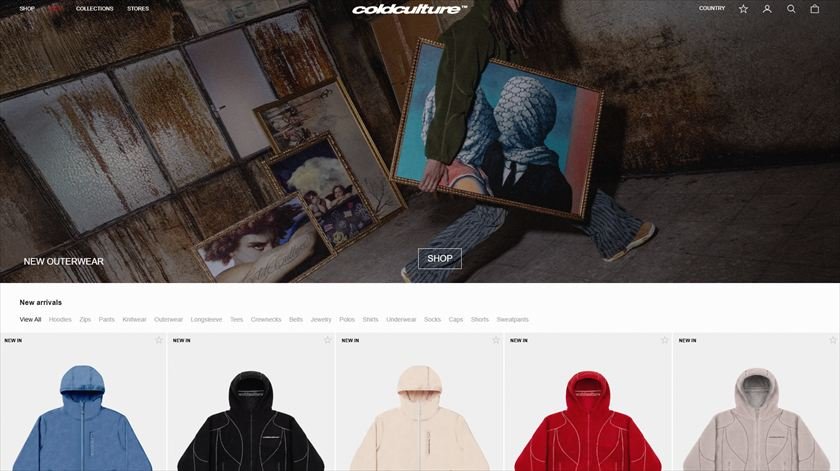
International checkout and drops for an audience in three markets.

A home and wellness store built for Portugal and Spain.
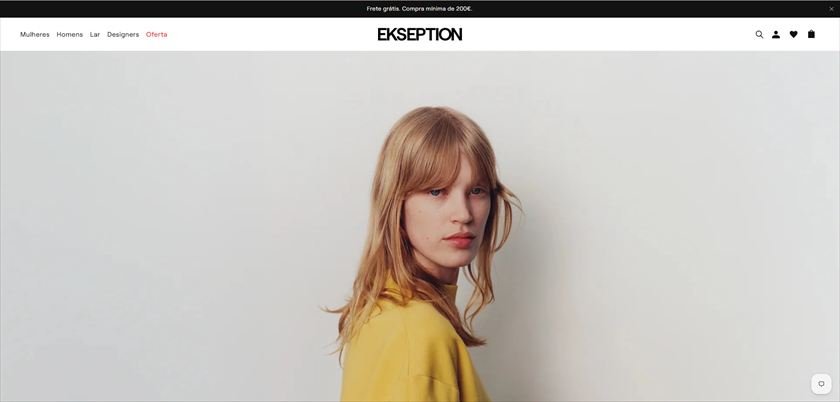
Three product lines and a multilingual checkout in one storefront.
Investment
On requestDepends on how many countries, which platform and what you already have.
Questions
Not necessarily. Country domains (like .es or .cl) build local trust; subfolders (like /es/) keep all authority on one domain and are simpler to manage. We recommend one or the other based on your markets and budget.
Often you can start selling from your current company. Taxes, invoicing and local payment providers can change that, so we map the requirements for each market during discovery and work alongside your accountant.
Yes. Platforms like Shopify Markets and BigCommerce can sell to several countries from one inventory, or split stock by warehouse when shipping times require it.
We keep your current rankings and add the new markets with hreflang and per-country sitemaps, so Google shows each country its own version instead of mixing them.
We operate in Brazil, Spain, Chile and the United States, in Portuguese, Spanish and English, and we help brands launch in other markets in the Americas and Europe as well.